Onboarding Is Part of the Product
Joe Hummel ·
Recently I did something I hadn't done in more than twenty years: I changed mobile phone carriers.
The decision itself wasn't particularly difficult. We already had Verizon FiOS at home, the pricing was attractive, and our phones had finally reached the point where they could be unlocked. On paper, it seemed like a straightforward decision.
The migration itself, however, took nearly five days.
What's interesting isn't that there were problems. Any sufficiently complex system will occasionally fail. What surprised me was where the failures occurred.
None of them involved the network. None involved the phones. None involved transferring a phone number.
Instead, nearly every obstacle came from the software and processes surrounding the product. At one point, an Apple Watch cellular line in my shopping cart prevented me from completing the order. The website simply returned me to the same page over and over again without explaining why.
Support's instinct was to restart the order.
The problem wasn't the order. The problem was diagnosis. Once I discovered the watch was the blocking condition and removed it, the order proceeded immediately. That pattern repeated itself several times over the following days.
I wasn't looking for someone to do the work for me. I simply wanted enough visibility to understand why the system was blocking me from proceeding.
Context Lost
One of the more surprising parts of the experience was how little context survived between support interactions.
Each new conversation began with the same explanation.
- Who I was.
- What I had already done.
- Where I was in the process.
- What had already been tried.
As someone who spent years designing and supporting technology systems, I couldn't help but think about how much unnecessary work this created for both customers and support representatives.
The people I spoke with were consistently courteous. They wanted to help. But they rarely inherited the context necessary to pick up where the previous conversation had left off. Every conversation became another fresh investigation.
All Good
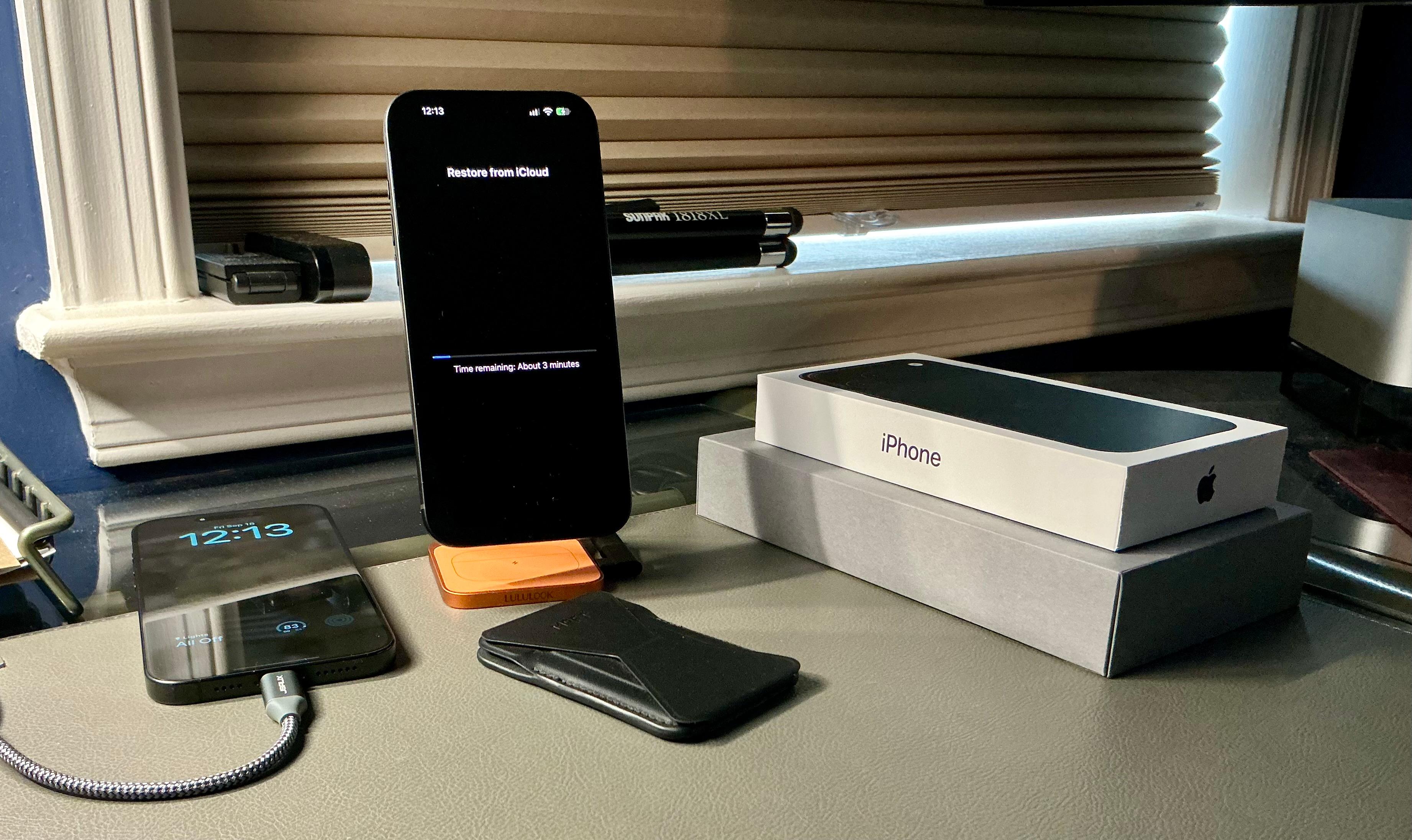
Ironically, the experience changed dramatically once the migration was complete.
- Upgrading my iPhone.
- Swapping an Apple Watch.
- Re-establishing cellular service on my wife's watch.
- Combining my Verizon Home and Mobile accounts.
- Viewing all of my services from a single dashboard.
Those experiences were exactly what I had hoped for from the beginning. The contrast was striking.
It felt like I had spent five days trying to enter a beautifully designed building through a side door.
Friction Discourages New Customers
The experience reminded me of something I learned while supporting conference technology over many years.
Attendees never complimented us on the network. They complimented us on how effortless everything felt. That's the highest compliment technology can receive.
People shouldn't have to think about the infrastructure. The same is true for customer onboarding. Customers don't distinguish between the product and the process of becoming a customer. They're the same experience.
If onboarding is frustrating, then the perception of the product or vendor is frustrating.
Empathy for Being New
One thing I found myself reflecting on throughout the migration was how often technology asks customers to understand the system rather than asking the system to understand the customer.
We ask customers to know:
- Which account to create.
- Which email address to use.
- Which device is blocking an order.
And when something fails, we ask them to explain the situation again to every support representative, reconfirm who they are, and occasionally navigate a marketing offer along the way.
The software often knows these answers. It doesn't always communicate them to the user or keep a history for support staff.
Worth the Friction
In the end, I'm glad I switched. The pricing is better. Managing my home and mobile services together is simpler. The ecosystem feels cohesive.
But I also came away convinced that onboarding deserves the same level of engineering attention as the products themselves.
It's easy to measure network performance. It's harder to measure the confidence a customer feels during their first week. Both matter. One keeps customers connected. The other convinces them they made the right decision.
There's a Backstory
There is another part of this story. The decision to switch carriers actually began weeks earlier with a conversation with AI about whether I should give in to the increasingly tempting offers to upgrade our phones. Instead, that conversation led me to step back, reconsider the timing, and look at our mobile technology and service costs over the next several years. I'll save that story for another Note.